Natural Remedies for Hormonal Imbalance in Women

December 23, 2025
Introduction
Hormonal imbalance is a broad term people use to describe symptoms like irregular periods, fatigue, acne, mood changes, sleep disruption, weight fluctuations, or low energy. Sometimes these symptoms are linked to identifiable causes (such as thyroid issues, PCOS, perimenopause, nutrient deficiencies, or chronic stress), and sometimes they overlap with lifestyle and sleep patterns. While conventional care may be necessary in many cases, supportive natural habits—nutrition, stress regulation, sleep, movement, and evidence-informed complementary therapies—can often help you feel more stable and resilient day-to-day, especially when personalised for your body and routine in the UAE.
Important: If you have severe symptoms (very heavy bleeding, missed periods for 3+ months, sudden unexplained weight loss, fainting, chest pain, or you might be pregnant), seek medical care promptly. For everyone else, the strategies below can be a safe starting point, and a licensed practitioner can help you tailor them.
What “hormonal imbalance” often includes (and why testing matters)
Hormones are messengers that respond to sleep, stress, food intake, activity, and life stage (puberty, postpartum, perimenopause). That’s why a “hormone reset” isn’t one single fix. If symptoms persist, it’s worth discussing basic evaluation with a licensed clinician (for example: thyroid markers, iron/ferritin, vitamin D, glucose/insulin markers, and reproductive hormones where appropriate). In the UAE, vitamin D deficiency is common despite abundant sunshine, so checking levels can be especially useful.
Quick summary of the 10 remedies covered in this article:
- Eat a hormone-friendly diet
- Manage stress naturally
- Prioritise quality sleep
- Stay active with balanced exercise
- Support gut health
- Try adaptogenic herbs
- Optimise vitamin D and sunlight exposure
- Reduce toxin exposure
- Maintain a healthy weight
- Explore complementary therapies
Eat a hormone-friendly diet
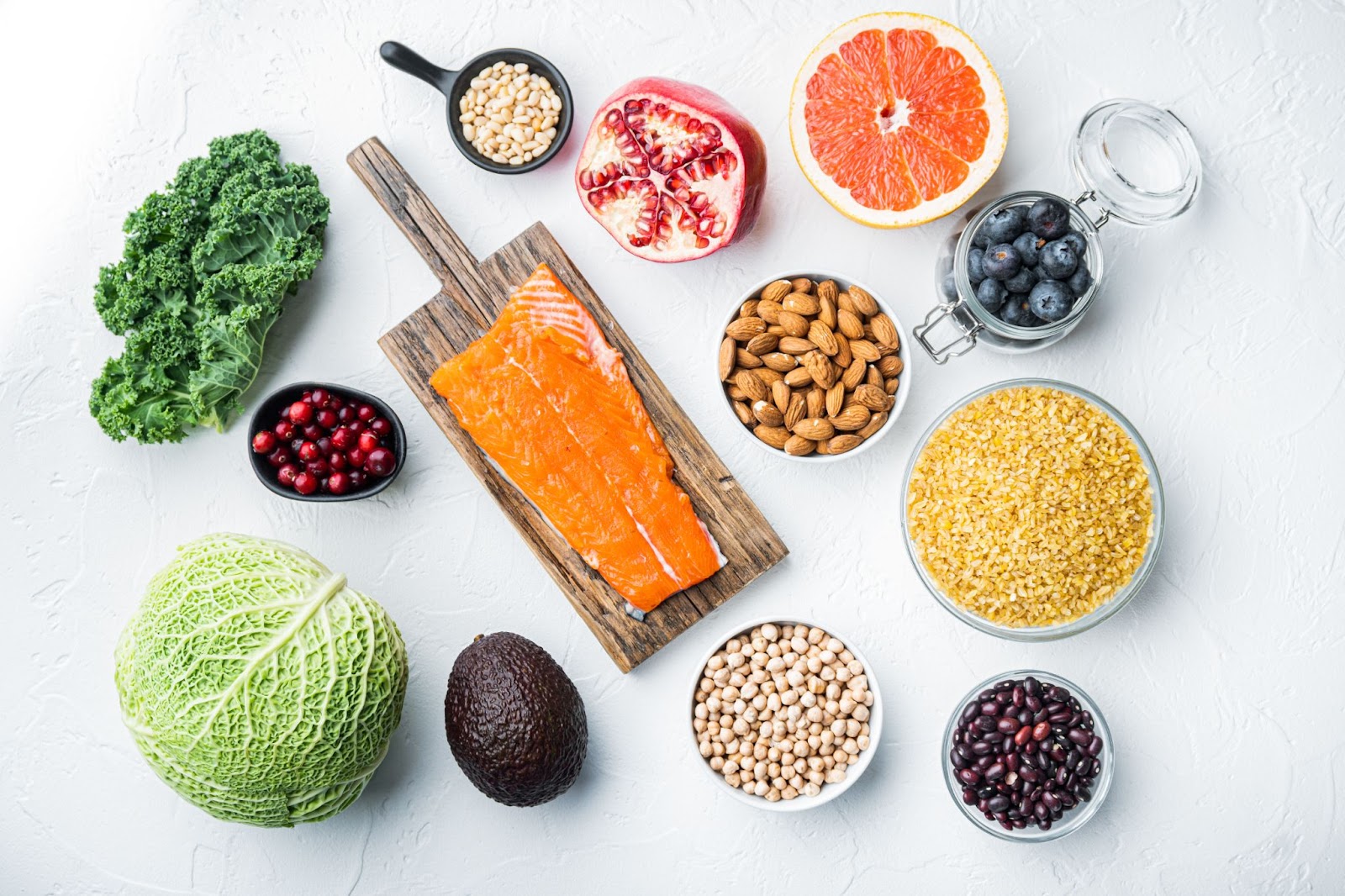
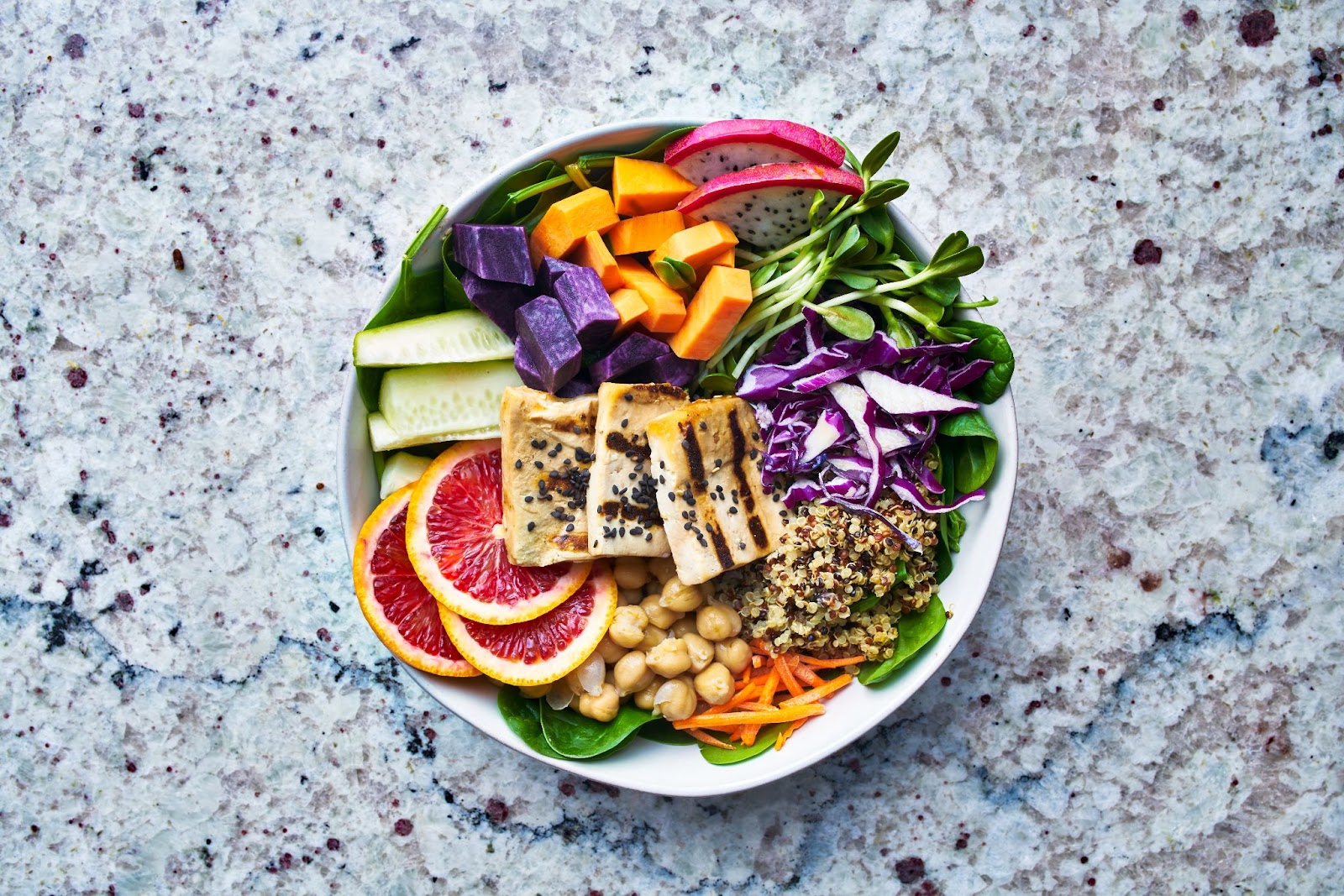
Food is one of the most powerful tools for balancing hormones. Focus on whole foods rich in fibre, lean proteins, healthy fats and plenty of fruits and vegetables. Include flaxseeds, avocados and omega-3 rich fish to support reproductive hormones and reduce inflammation. Reducing refined sugar and processed foods helps regulate insulin, a key hormone tied to overall balance. Adding cruciferous vegetables like broccoli and cauliflower can also support healthy estrogen metabolism, while staying hydrated helps flush out metabolic byproducts that may interfere with endocrine function. Practical tips: try to include a protein source at every meal, add a serving of vegetables to half your plate, and swap sugary snacks for nuts or yoghurt to stabilise blood sugar.
Manage stress naturally
Chronic stress disrupts cortisol rhythms and can cascade into disrupted menstrual cycles, low energy and mood swings. Practices such as meditation, breathwork and journaling lower stress hormones and restore equilibrium over time. Short practices of five to ten minutes daily are effective and realistic for busy UAE schedules: a brief breathwork session after the work commute or a five minute mindfulness break between meetings can make a measurable difference. Consider integrating evidence-based mind body techniques such as guided relaxation or yoga, ideally taught by expert-vetted instructors who can adapt practices to your needs.
Prioritise quality sleep
Sleep directly affects hormones including melatonin, cortisol and insulin. Aim for seven to nine hours of uninterrupted sleep and protect a consistent sleep window to stabilise hormone production. Simple adjustments like removing screens an hour before bed, creating a cool sleeping environment and avoiding large meals late at night support restorative sleep. Poor sleep is linked to irregular cycles and increased appetite, so improving sleep hygiene is often one of the fastest routes to hormonal improvement. If insomnia persists, consult a DHA-licensed sleep specialist who can advise on targeted, science-backed interventions.
Stay active with balanced exercise
Movement regulates insulin, reduces stress and supports healthy body composition all vital for hormonal health. Combine cardio, strength training and restorative activities such as yoga or pilates. In hot UAE climates, schedule exercise in the cooler early morning or evening and focus on hydration and electrolyte balance. Beware of excessive high intensity training without adequate recovery: chronic overtraining can raise cortisol and suppress reproductive hormones. Aim for consistency with moderate sessions that you can sustain long term rather than sporadic intense workouts.
Support gut health
The gut plays an important role in hormone regulation, especially estrogen metabolism: a balanced microbiome helps process and eliminate excess hormones. Prebiotic foods such as onions, garlic and leeks feed beneficial bacteria, while probiotics found in kefir, yoghurt and fermented vegetables can support microbial diversity. Include a wide range of fibre sources to promote short chain fatty acid production, which has systemic anti-inflammatory benefits. If you experience persistent digestive symptoms, bloating or food intolerances, consult a DHA-licensed nutritionist for personalised testing and guidance.
Do you want personalised gut and hormone support?
Do you wanna improve your hormonal health with a tailored plan? Book a consultation with a vetted nutrition or holistic practitioner in the UAE for targeted testing and practical steps.
Book a Consult
Try adaptogenic herbs (only with guidance)
Some women explore herbs such as ashwagandha or holy basil as part of stress support routines. Early evidence suggests some adaptogens may help with perceived stress and sleep quality for certain people—but responses vary, and herbs can interact with medications or be unsuitable during pregnancy, breastfeeding, or specific health conditions. The best approach is to use them only with a licensed practitioner who can match the herb to your symptoms, dosage, and safety profile.
Optimise vitamin D and sunlight exposure (yes, even in the UAE)
Vitamin D supports bone health, immune function, and overall metabolic health—and it’s commonly low in the UAE due to indoor lifestyles and sun avoidance. Rather than guessing, consider a blood test and follow a clinician’s guidance on dosage. If you’re aiming for safe sun exposure, short sessions during early morning or late afternoon can be more comfortable—and always balance sun with skin-safety practices.
Reduce everyday chemical exposure (simple, realistic steps)
Some environmental chemicals (like certain plastics additives) are studied for potential endocrine-disrupting effects. You don’t need to overhaul your life—small changes are enough:
- Use glass or stainless steel for hot foods/drinks when possible
- Avoid microwaving in plastic containers
- Choose fragrance-free or simpler ingredient personal care products if your skin is sensitive
- Ventilate your home when using strong cleaning sprays
These steps are about lowering unnecessary exposure and supporting overall wellbeing.
Maintain a healthy weight (if weight is a factor for you)
Body weight and body composition can influence hormones like insulin and estrogen—especially for women with PCOS. If you are overweight, modest, steady weight loss (even around 5%) is associated with improvement in PCOS-related symptoms for many women. The goal isn’t extreme dieting—it’s sustainable routines: balanced meals, movement, stress reduction, and consistent sleep.
Explore complementary therapies
Complementary therapies such as acupuncture, massage, mindfulness-based stress reduction and certain forms of yoga can support stress regulation, circulation and sleep. Some women find acupuncture helpful for menstrual symptoms and for regulating cycles, and massage or bodywork can relieve tension that interferes with sleep and stress recovery. Always choose licensed, experienced practitioners and coordinate any complementary therapy with your medical team. iheal’s network includes expert-vetted complementary practitioners who work alongside conventional clinicians to create integrated, safe plans.
Conclusion
Hormonal balance is essential for energy, mood, fertility and overall wellbeing. While some hormonal conditions require medical treatment, many women benefit from small, consistent lifestyle changes that support endocrine health. Start with diet, sleep and stress management, check relevant nutrient levels such as vitamin D, and consider gut support and safe complementary therapies where appropriate. For personalised care, work with DHA-licensed and rigorously vetted practitioners who can test, monitor and tailor interventions to your needs and life in the UAE. Small, sustainable steps taken consistently often produce the greatest long-term improvements in hormonal health.
Ready to take control of your hormonal health?